



Knee and Hip Replacement Rehabilitation
Regain Confidence, Movement & Independence After Joint Replacement Surgery
Recovering from knee or hip replacement surgery can affect your strength, mobility, balance and confidence, making everyday activities such as walking, climbing stairs or getting out of a chair more difficult.
At K 7 Physiotherapy, we provide personalised rehabilitation to support your recovery from total knee or total hip replacement surgery. Whether you are preparing for surgery or recovering afterwards, we can help you improve strength, mobility, balance and confidence at a pace that suits you. Clinic & Home Physiotherapy Available
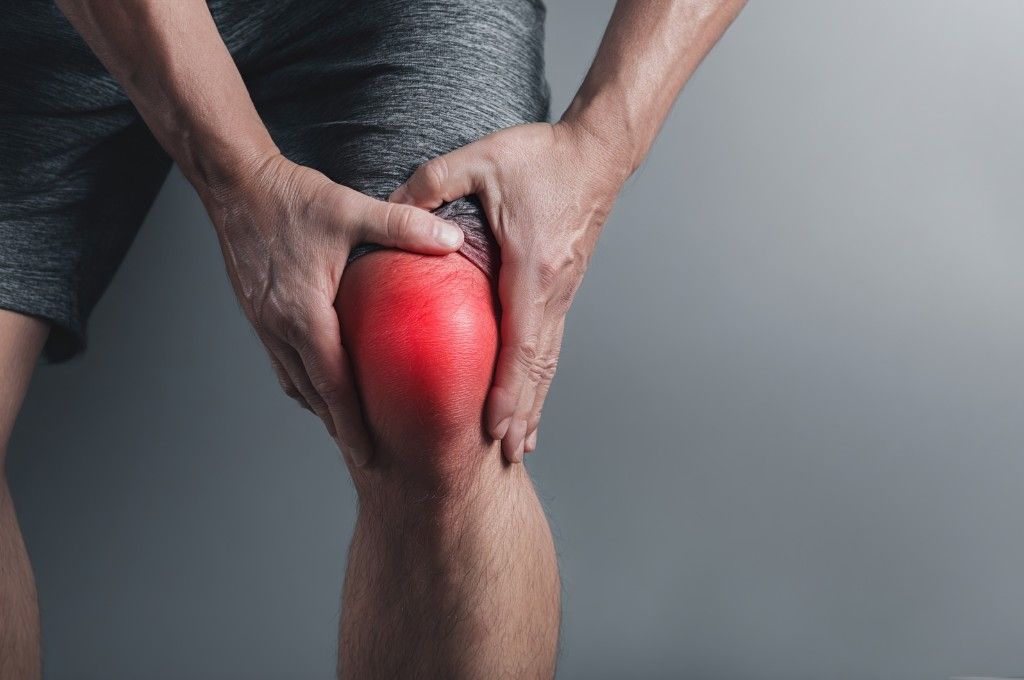
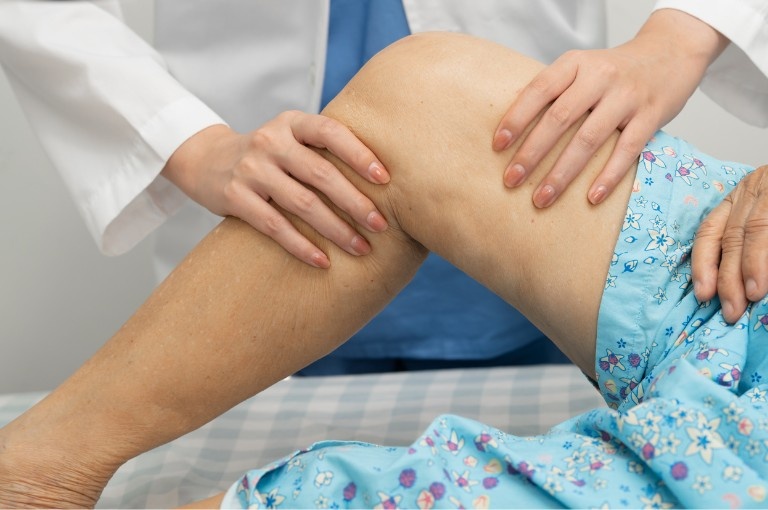
What Is a Total Knee Replacement (TKR)?
A total knee replacement (TKR) is a surgical procedure in which damaged parts of the knee joint are removed and replaced with artificial components. It is commonly recommended when severe knee pain and stiffness significantly affect everyday movement and quality of life.
When Is Total Knee Replacement Required?
A total knee replacement is usually considered when conservative treatments are no longer helping. Surgery may be recommended when:
- Walking aids, pain relief, physiotherapy, and lifestyle changes no longer adequately manage symptoms
- Knee pain becomes severe and affects daily activities
- Joint stiffness significantly limits movement
- Knee deformity affects mobility and posture
- X-rays or other investigations show significant arthritic changes within the knee
When Is Total Knee Replacement Not Advisable?
A total knee replacement may not be suitable for everyone. Surgery may not be recommended or may need to be delayed in cases involving:
- Active joint infections
- Other active infections or sepsis
- Certain neurological or chronic pain conditions
- Good joint condition without significant damage
- Poor general health
- Significant circulation problems
- Medical conditions that make surgery or anaesthesia particularly high risk
The decision about whether knee replacement surgery is appropriate should always be made by the surgical and medical team following an individual assessment.
Benefits of a Total Knee Replacement
Many people experience improvements including:
- Reduced knee pain
- Better joint movement
- Improved walking ability
- Greater independence
- Increased confidence with daily activities
- Improved overall quality of life
What Functions Can Improve After Knee Replacement?
Following rehabilitation, people may notice improvements with:
- Sitting and standing
- Getting in and out of bed
- Toilet transfers
- Car transfers
- Walking indoors and outdoors
- Climbing stairs
- Reduced reliance on walking aids
- Returning to hobbies and social activities
How Long Does a Knee Replacement Last?
Knee replacements are designed to provide long-term improvement in pain and function, and many continue to function well for many years. The lifespan of a knee replacement can vary depending on factors such as age, activity levels, general health, body weight, and the type of implant.
Staying active and maintaining strength can help support long-term mobility and function.
What Does Total Knee Replacement Rehabilitation Involve?
Recovery following knee replacement surgery is a gradual process. Physiotherapy plays an important role in helping you regain movement, strength, mobility, and confidence.
Pre-Operative Rehabilitation
Before surgery, physiotherapy can help you prepare by providing:
- Exercises to strengthen the muscles
- Advice on swelling management
- Guidance on using ice safely
- Mobility techniques
- Advice on using walking aids where appropriate
- Information about what to expect after surgery
Post-Operative Rehabilitation
Physiotherapy usually begins very soon after surgery. Early rehabilitation may include:
- Gentle exercises
- Walking practice using a frame or crutches
- Swelling management
- Pain management advice
- Transfer practice
Over the following days and weeks, rehabilitation focuses on helping you:
- Walk more confidently
- Climb stairs safely
- Improve knee bending and straightening
- Build strength and endurance
- Improve balance
- Return to everyday activities
Long-Term Rehabilitation
After returning home, ongoing physiotherapy can support:
- Progressive strengthening
- Balance and walking confidence
- Outdoor mobility
- Functional independence
- Return to hobbies and activities
- Long-term joint health
Precautions Following Total Knee Replacement Surgery
After surgery, it is important to reduce risks and support your recovery.
Fall Prevention
We recommend:
- Removing loose rugs and mats
- Keeping hallways and walking areas well lit
- Using walking aids safely
- Wearing appropriate footwear
- Taking care when dressing, turning, or changing direction
- Keeping frequently used areas free from clutter
Managing Swelling and Recovery
- Avoid long periods of inactivity
- Gradually increase activity levels
- Follow your exercise programme consistently
- Pace activities appropriately
- Follow advice provided by your surgical and healthcare team
What Is a Total Hip Replacement (THR)?
A total hip replacement (THR) is a surgical procedure in which damaged parts of the hip joint are replaced with artificial components to improve movement, reduce pain, and improve everyday function.
Who May Need a Total Hip Replacement?
Hip replacement surgery may be considered when:
- Hip pain significantly affects daily life
- Walking becomes difficult
- Stiffness limits movement
- Arthritis causes severe joint damage
- A hip fracture has significantly affected the joint
- Conservative treatments no longer adequately manage symptoms
Who May Not Be Suitable for a Total Hip Replacement?
Hip replacement surgery may not be suitable for everyone and may need to be delayed or reconsidered for people with:
- Active joint infections
- Severe or unstable medical conditions
- Significant circulation problems
- Certain neurological or chronic pain conditions
- Medical conditions that make surgery or anaesthesia particularly high risk
The decision should always be made by the appropriate surgical and medical team following an individual assessment.
Benefits of a Total Hip Replacement
Many people experience improvements such as:
- Reduced hip pain
- Better movement and flexibility
- Improved walking ability
- Greater independence
- Better participation in everyday activities
- Improved quality of life
What Functions Can Improve After Hip Replacement?
People may notice improvements with:
- Walking confidence
- Standing from chairs
- Getting in and out of bed
- Climbing stairs
- Car transfers
- Reduced reliance on walking aids
- Returning to social and leisure activities
How Long Does a Hip Replacement Last?
Hip replacements are designed to provide long-term improvement in pain and mobility, and many continue to function well for many years.
How long a hip replacement lasts can vary depending on factors such as age, activity levels, general health, body weight, and the type of implant.
What Does Total Hip Replacement Rehabilitation Involve?
Pre-Operative Physiotherapy
Before surgery, physiotherapy may help you:
- Learn appropriate exercises
- Understand swelling management
- Prepare your home environment
- Improve strength before surgery
- Prepare for using walking aids
- Understand what to expect during your recovery
Post-Operative Physiotherapy
Rehabilitation usually begins shortly after surgery and may include:
- Gentle movement exercises
- Walking practice
- Balance training
- Pain and swelling management
- Transfer practice
- Mobility progression
Long-Term Rehabilitation
Long-term rehabilitation focuses on:
- Building strength
- Improving walking confidence
- Improving balance and endurance
- Returning to everyday activities
- Supporting long-term mobility and independence
Precautions Following Hip Replacement Surgery
Following hip replacement surgery, your surgeon or physiotherapist may recommend certain precautions to protect the new joint while it heals.
Precautions can vary depending on the type of surgery, surgical approach, and your individual circumstances. Where you have been given specific instructions by your surgical team, these should always be followed.
Depending on your individual circumstances, advice may include:
- Avoiding certain excessive hip movements
- Avoiding twisting or pivoting on the operated leg
- Taking care when getting in and out of low chairs
- Taking small steps when turning
- Using appropriate walking aids
- Reducing fall risks around the home
- Following any specific movement precautions provided by your surgical team
Possible Risks and Considerations
As with any surgery, there can be risks, including:
- Infection
- Blood clots
- Dislocation
- Falls
- Limb length differences
- Nerve irritation or injury
We help guide patients safely through rehabilitation with appropriate physiotherapy support, exercise, and education.
How Can Physiotherapy Help After Knee and Hip Replacement?
Physiotherapy is an important part of recovery following joint replacement surgery.
At K 7 Physiotherapy, we help individuals improve:
- Joint mobility
- Muscle strength
- Walking ability
- Balance and coordination
- Confidence with movement
- Transfers and functional activities
- Independence in daily life
Our goal is to support a safe recovery while helping you return to the activities that matter most to you.
Conditions and Symptoms We Help With
We support people experiencing:
- Knee pain
- Hip pain
- Post-surgical stiffness
- Reduced mobility
- Difficulty walking
- Swelling after surgery
- Muscle weakness
- Balance difficulties
- Reduced confidence following surgery
- Difficulty climbing stairs
- Problems with transfers and daily activities
How Treatment Works
Initial Assessment
We begin with a detailed physiotherapy assessment to understand:
- Your surgery and stage of recovery
- Your current mobility
- Your strength and balance
- Your pain and stiffness levels
- Your personal recovery goals
Hands-On Treatment
Where appropriate, treatment may include:
- Joint mobility techniques
- Soft tissue techniques
- Swelling management strategies
- Movement guidance
Exercise Rehabilitation
Exercise rehabilitation forms a key part of recovery and may include:
- Strengthening exercises
- Mobility exercises
- Balance training
- Walking practice
- Functional movement retraining
Advice and Education
We provide clear advice to help you manage your recovery safely at home, including pacing, movement confidence, exercise, and gradual progression of activity.
Goal-Focused Recovery
Every rehabilitation programme is tailored to your needs, goals, abilities, and confidence level.
Physiotherapy for Knee and Hip Replacement Recovery in Rugby and Warwickshire
K 7 Physiotherapy supports people recovering from total knee replacement and total hip replacement surgery across Rugby, Warwickshire, and surrounding areas.
We offer both clinic physiotherapy and home physiotherapy services to make rehabilitation more accessible and comfortable.
If you have recently returned home following knee or hip replacement surgery and are finding travelling difficult, we can provide physiotherapy in your own home and gradually progress your rehabilitation as your mobility and confidence improve.
What to Expect at Your First Appointment
- Discuss your surgery and symptoms
- Assess your movement, strength, balance, and mobility
- Understand your recovery goals
- Explain your treatment plan clearly
- Answer any questions you may have
- Home physiotherapy visits available
- Patient-focused care centred around your goals
Why Patients Choose K 7 Physiotherapy
- HCPC-registered physiotherapy care
- Personalised rehabilitation programmes
- Evidence-based treatment approaches
- A calm and supportive environment
- One-to-one physiotherapy sessions
- Home physiotherapy visits available
- Flexible support for post-operative recovery
- Patient-focused care centred around your goals
Book Your Physiotherapy Appointment
If you are preparing for joint replacement surgery or recovering afterwards, we are here to support your rehabilitation.
Our physiotherapy treatment plans are tailored to help you move more comfortably, improve strength, build confidence, and regain everyday function.
If you are searching for knee or hip replacement physiotherapy near you, please contact us to discuss your rehabilitation needs.
Call or WhatsApp: 07395 414243
Request a call back
Other Services












Related Services Area
Service area in Leicestershire
Service area in Northamptonshire
Service area in Warwickshire
Service area in West Midlands
FAQ
Physiotherapy often begins very soon after surgery, sometimes on the same day or the following day, depending on your individual circumstances and the advice of your surgical team. Early rehabilitation can help improve mobility and confidence.
Yes. We offer home physiotherapy visits for people who may find travelling difficult during their recovery.
Yes. Gradual walking progression is usually an important part of rehabilitation and can help improve strength, mobility, endurance, and confidence. You should follow the guidance provided by your surgical and physiotherapy team.
This depends on the type of surgery and the instructions provided by your surgical team. Some patients may be advised to avoid particular movements or positions during the early stages of recovery. You should follow the specific precautions provided by your surgeon or hospital physiotherapist.
We provide knee and hip replacement physiotherapy at our clinic in Rugby and home physiotherapy across Rugby, Warwickshire, Coventry, Leamington Spa, Nuneaton, Hinckley, Lutterworth, Daventry, Northampton, Kettering, Corby, and surrounding areas.
If you are unsure whether we cover your area, please call or WhatsApp us on 07395 414243, and we will let you know whether a home physiotherapy visit can be arranged.
Call Today
07395414243
K 7 physiotherapy
Aspire Health
11 Mill Road
Rugby
CV21 1AA