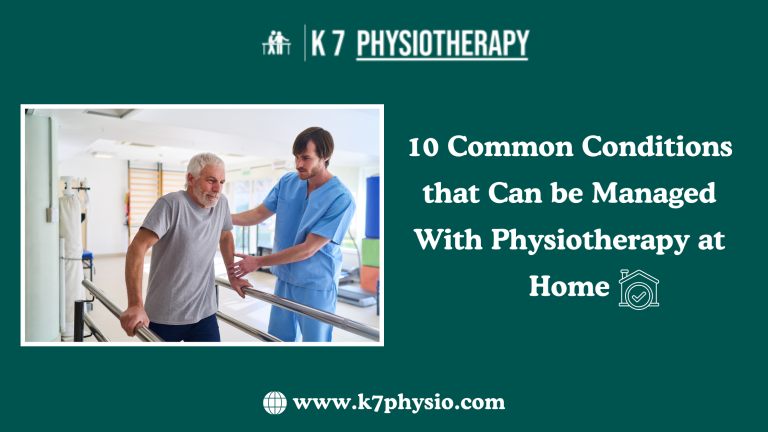
10 Common Conditions that Can be Managed With Physiotherapy at home
Recovery from injury, illness or suffering from chronic health issues does not always require a trip to the clinic. For many, home physical therapy is a practical, well-suited, and extremely effective option to improve mobility to reduce pain and gain independence.
In K 7 Physiotherapy you can get customised home physiotherapy treatments across Rugby and surrounding areas. This allows individuals to recover with ease within their familiar surroundings. Home visits are helpful for elderly people or those with mobility issues as well as those recovering from neurological or surgical diseases.
We’ll discuss the top ten conditions that are often treated efficiently with home physiotherapy.
Why Choose Home Physiotherapy?
The home physiotherapy clinic brings expert rehabilitation straight to your door. The treatment is customised not only to your needs as well as your lifestyle surroundings, which allows your physiotherapist to suggest effective strategies to support your everyday activities.
Benefits include:
- Individualised, one-on-one attention
- There is no need to travel or wait for a ride.
- Increased confidence and comfort
- Rehabilitation within your own home setting
- Help for family members as well as caregivers
- A greater focus on daily functional actions
1. Arthritis
Arthritis can make daily activities difficult and painful. If you suffer from osteoarthritis or a different joint issue that has a long-term duration, physiotherapy is focused on enhancing mobility, maintaining joints’ function as well as ensuring to keep active.
A home-based physiotherapy program could consist of:
- Gentle exercises for mobility
- Strengthening programmes
- Balance training
- Advice on reducing joint strain
- Guideline for daily tasks
Moving is one of the most effective methods to maintain joints and keep independence.
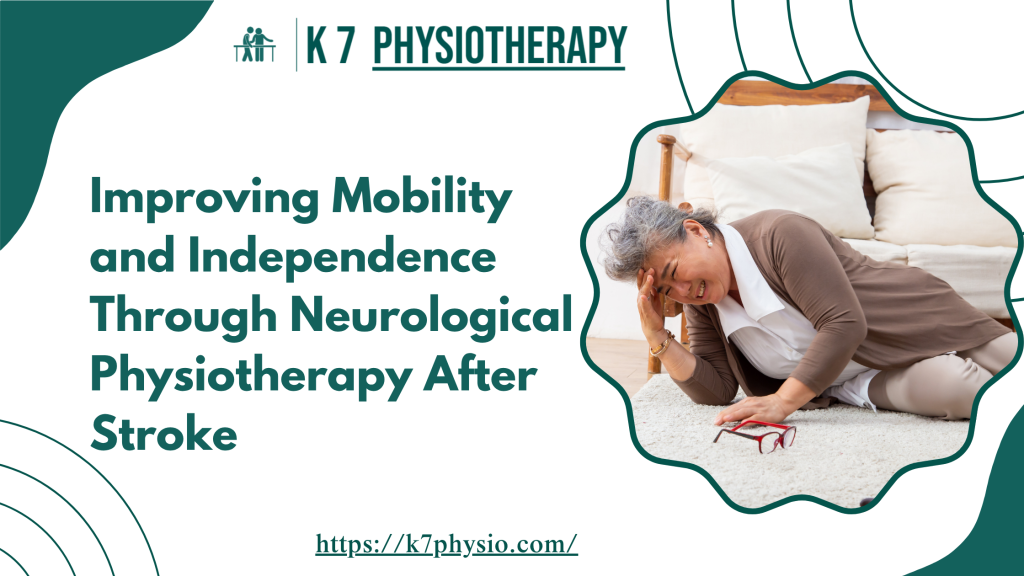
2. Stroke Rehabilitation
The process of recovering from a stroke typically lasts for months or years. Home physiotherapy lets rehabilitation be carried out in the surroundings in which daily activities take place.
The treatment could focus on:
- Enhancing walking abilities
- Muscle strength is increasing
- Balance and coordination
- Secure transfers
- Mobility at home that is functional
Being in your own environment can make rehabilitation more practical and meaningful.
3. Parkinson’s Disease
Parkinson’s disease impacts the way you move, balance standing, posture, and walking. Physical therapy plays an essential part in helping people remain active and keep their mobility as long as possible.
Home physiotherapy could consist of:
- Walking exercises
- Exercises for postural stability
- Balance training
- Strategies for functional movement
- Falls prevention education
The early intervention of physiotherapy can improve your confidence and everyday functioning.
4. Multiple Sclerosis (MS)
Multiple sclerosis may cause various symptoms such as fatigue, muscle weakness, decreased coordination, and balance issues.
A personalised home physiotherapy treatment plan could assist in improving:
- Mobility
- Walking with confidence
- Muscle strength
- Flexibility
- Energy conservation techniques
The treatment is tailored to the individual’s goals and changes in symptoms.
5. Falls and Balance Problems
Many older adults have a diminished balance, which can increase the risk of falling.
Home physiotherapy permits assessment of both physical capability and surroundings at home, making rehabilitation a crucial aspect.
Treatment typically comprises:
- Balance exercises
- Leg strengthening
- Walking exercise
- Training in functional mobility
- Tips on reducing the risk of falling at home
Enhancing confidence is often as important as increasing physical fitness.
6. Recovery After Joint Replacement Surgery
After a knee or hip reconstruction surgery, rehabilitation becomes crucial to restore movement and function.
The physiotherapist at home can help patients recover by assisting patients:
- Increase range of motion
- Rebuild the strength
- Regain the ability to walk
- Climb stairs safely
- Return to daily routine
The practice of receiving treatment at home is especially beneficial in the initial phases of healing.
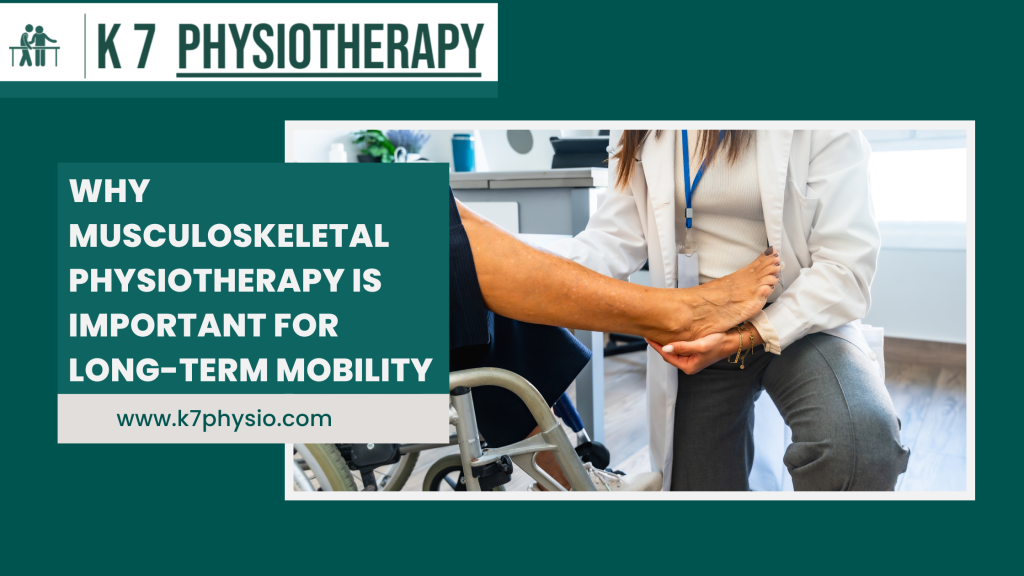
7. Musculoskeletal Pain
A variety of common musculoskeletal issues can be treated effectively at home, which includes:
- Neck discomfort
- Back back pain
- Shoulder discomfort
- Hip discomfort
- Knee discomfort
Instead of merely addressing the ailments, physiotherapy concentrates on enhancing movement by restoring function and decreasing the causes of discomfort.
Individually designed exercise programs are tailored to meet the needs of each individual and their way of life.
8. Spinal Cord Injury Rehabilitation
Patients with spinal cord injuries usually receive physiotherapy on a regular basis to help them achieve greater independence.
Rehabilitation at home may be focused on:
- Transfers
- Bed mobility
- Strengthening
- Advice on positioning
- Mobility with a wheelchair
- Daily activities that are functional
Rehabilitation is designed to meet the individual’s needs and goals, as well as his/her living conditions.
9. Post-Hospital Rehabilitation
A lot of people experience a decrease in range of motion and strength after hospitalisation due to an illness, surgery or extended rest in bed.
The physiotherapy at home can help you in the process of rebuilding:
- Muscle strength
- Walking with confidence
- Endurance
- Balance
- Independence and daily activities
Rehabilitation early can play a crucial role in helping to ensure a smooth return to normal activities.
10. Walking Difficulties and Mobility Issues
The causes of walking problems could be neurologic conditions, aging surgical procedures, injuries or general deconditioning.
The home physiotherapy program may comprise:
- Gait assessment
- Walking exercises
- Balance exercises
- Assessment of the walking aid
- Training in mobility
Since treatment is conducted at home, a physiotherapist will examine your movement in real-life situations, and recommend specific improvements.
Who is most likely to benefit from home Physiotherapy?
Home physiotherapy is a good option for those who
- Are you having difficulty getting to appointments
- Are recovering after surgery
- Have you been diagnosed with a neurological condition?
- Live with chronic mobility issues
- Require rehabilitation after hospital discharge
- Support for preventing falls
- You prefer treatment in a comfortable environment
Each treatment plan is customised to meet the needs of the patient, their capabilities and rehabilitation objectives.
Why Choose K 7 Physiotherapy?
We at K 7 Physiotherapy recognise that every patient’s rehabilitation process is different. Our home physiotherapy services provide high-quality, patient-centered services that focus on helping you increase your mobility as well as confidence and meet your goals.
We offer personalised physiotherapy to those who suffer from:
- Arthritis
- Parkinson’s disease
- Stroke
- Multiple Sclerosis
- Balance problems and falls
- Injury to the spinal cord
- Recovery from hospital
- Walking difficulties
- Musculoskeletal disorders
- Concerns about mobility and age
Our approach is based on evidence-based treatment with compassion and ensures that each treatment program is tailored to your specific requirements and your home.
Start Your Recovery at Home with Physiotherapy
If traveling to a clinic can be a challenge home physiotherapy is a great option to offer a convenient, customised rehabilitation that is able to fit into your routine. If you’re recovering from surgery or battling an ongoing condition or want to increase your confidence and mobility, you can get professional assistance at the convenience of your home.
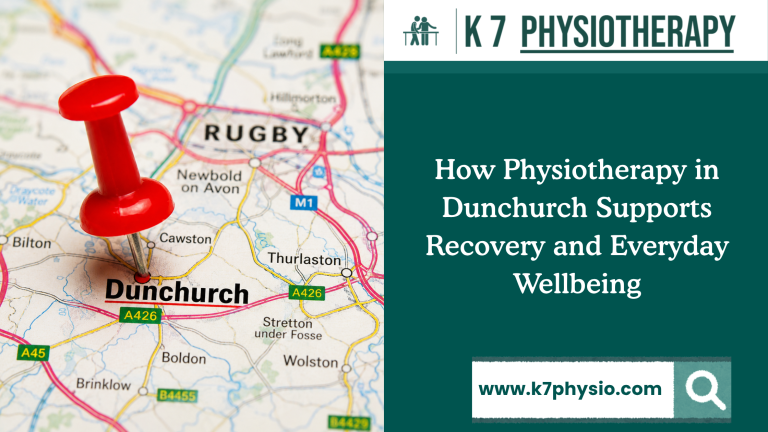
K 7 Physiotherapy offers compassionate home physiotherapy that is based on evidence all across Rugby, Warwick, Coventry, Royal Leamington Spa, Kenilworth, Daventry, Corby, Dunchurch and its nearby areas.
Contact us now to learn the ways our physiotherapy at home service can aid your rehabilitation and allow you to get more confident in your movements.
FAQs
1. Does home physiotherapy work as well as a clinic-based approach?
In many cases home physiotherapy is extremely efficient. It lets rehabilitation be adapted to your lifestyle and goals for functional improvement.
2. Who are home physiotherapy sessions suitable for?
It is ideal for seniors and those with mobility issues or neurological issues and post-operative recovery. Anyone who has difficulty getting around.
3. Do I require special equipment?
The majority of rehabilitation programs can be started with simple exercises, as well as everyday household things. Your physiotherapist will inform you if any additional equipment could be helpful.
4. How many sessions will I require?
The amount of time you spend with your physiotherapist varies according to your health fitness level, rehabilitation goals and your progress. Your physiotherapist will talk with you about your treatment plan with you in your evaluation.