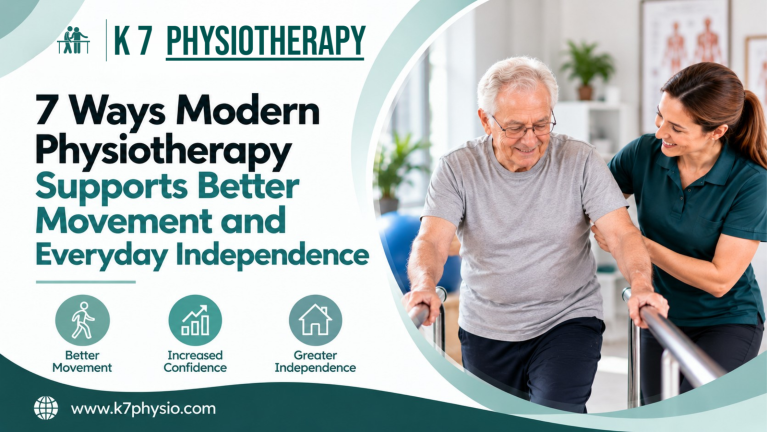
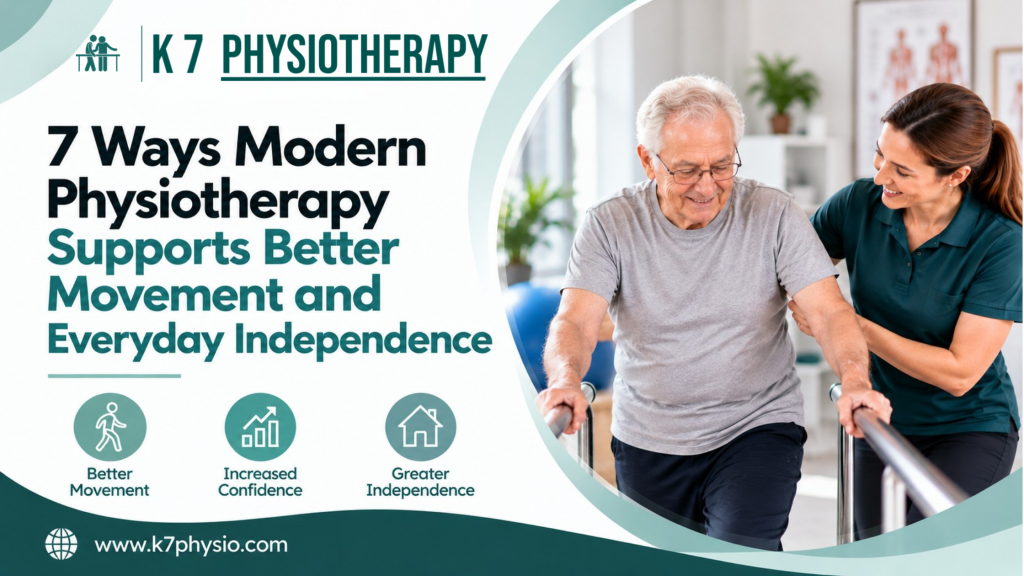
7 Ways Modern Physiotherapy Supports Better Movement and Everyday Independence
For most of us, getting out of bed, making breakfast or walking to the shops is just part of the day. We rarely think about how much movement these little jobs involve.
However, things can be exchanged for contamination, injury or periods of really less activity. Suddenly it takes longer to get up. A stroll to the corner shop feels the same as before. Some humans even start planning their day around how a whole lot of walking they are able to manage.
At K 7 Physiotherapy, we believe these everyday difficulties deserve attention. Physiotherapy isn’t always just about treating a sore knee or recovering from a loss of sports activity. It’s additionally about know-how what a person is struggling with and finding sensible methods to help. Here are seven areas where physiotherapy can make a difference.
1. Making Ordinary Movements Less Difficult
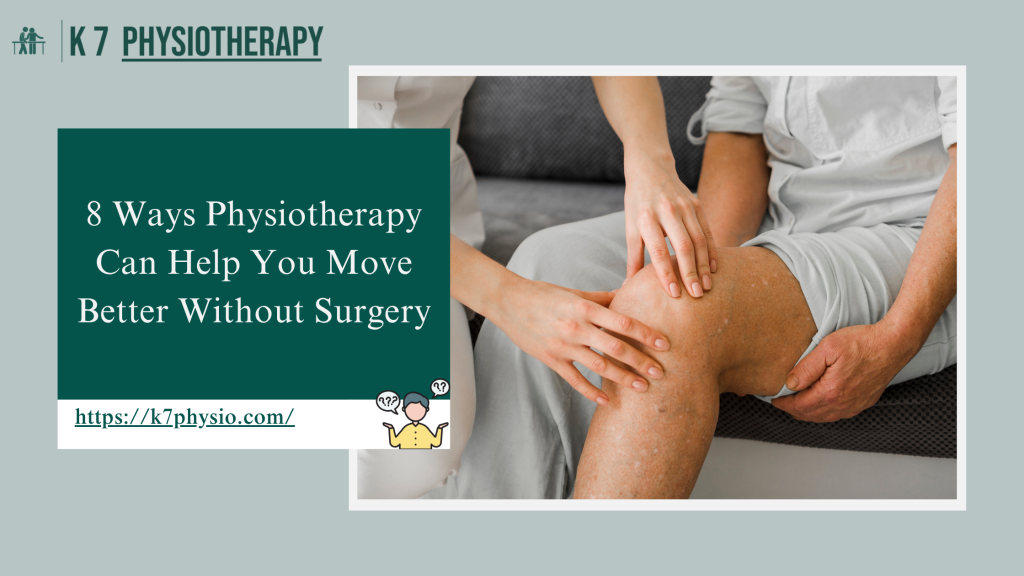
Imagine someone who has started using both arms to push themselves out of a chair. They might not describe themselves as having a mobility problem. They just know that standing up isn’t as easy anymore.
A physiotherapy assessment can look at their leg strength, joint movement and the way they stand.
Sometimes rehabilitation involves working towards the same movements that eventually became difficult, with physical sports to improve strength and mobility.
2. Getting Strength Back After a Setback
A decrease in interest after a few weeks can have an effect on muscle electricity, especially in older adults.
Someone can manage flawlessly well before transitioning but afterwards conflicts with retaining the purchase or strolling their usual distance.
Rather than starting with stressful sporting events, physical therapy can help build them up regularly.
Starting point topics. as well as choosing sports that are beneficial to daily lifestyle.
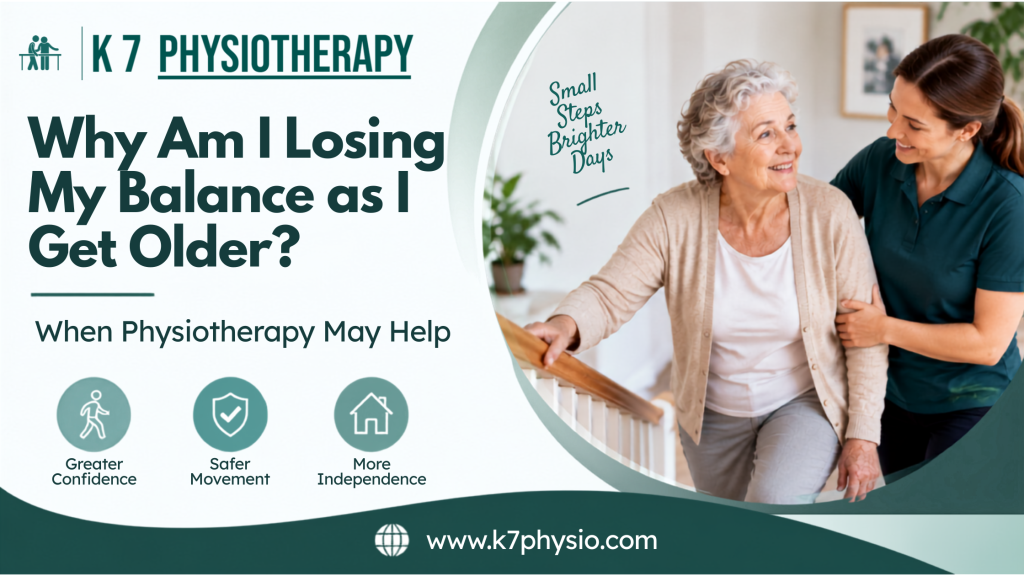
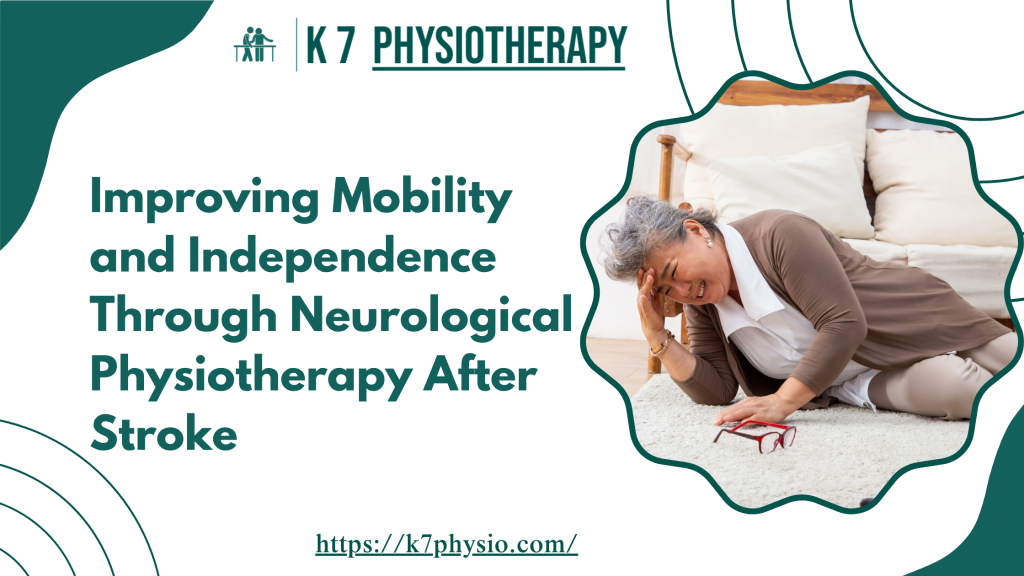
3. Dealing with the Worry of Falling
Not quite everyone feels unstable and feels falling apart.
Sometimes someone starts off involved in conserving furnishings or walking off uneven sidewalks because they don’t trust their balance.
That fear can at every step restrict who they go into and what they do.
Balance physiotherapy may involve:
- Looking at how someone walks and turns.
- Checking strength and balance.
- Practising movements that feel uncertain.
- Considering whether a walking aid would be helpful.
The aim is to address balance difficulties and help people feel more confident moving around.
4. Finding a Routine After Leaving Hospital
A Home visit from the hospital is often a relief. But the first days can also be tremendously difficult.
Getting to the bathroom, preparing a meal or handling stairs can additionally require more effort than anticipated.
Post-hospital physical therapy can help people rebuild their electromobility as well as running toward practical desires.
For one person, the priority might be walking around the house. For someone else, it could be getting outside again.
Recovery isn’t always a straight line, and rehabilitation needs to allow for that.
5. Living with Changes in Movement
People living with Parkinson’s disease, a couple sclerosis or the consequences of stroke additionally enjoy the changes to walk, stabilise and coordinate
These changes can have an impact on everyday moments, including delivering a cramped hallway or getting up from the dinner table.
Neurological physiotherapy considers these practical problems.
Rehabilitation may include walking exercises, balance activities, and techniques for managing routine activities.
6. To stay active without overdoing it
It’s not particularly beneficial to tell someone to exercise more when they’ve been struggling with movement.
- Their concerns can often be pain, fatigue or a drop in balance.
- A physical therapist can help them discover a practical starting line.
That may imply a step-by-step return to gardening, an extra little stroll or to improve the desired strength for housework
Physical hobbies don’t need to look the same for all of us.
7. Working on Movement Where It Matters Most
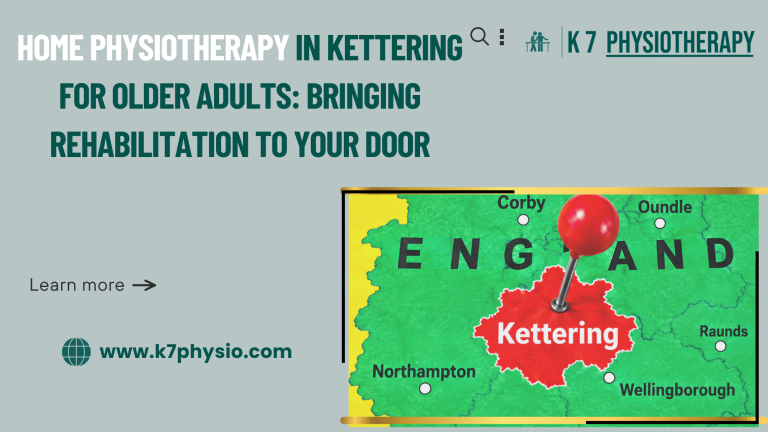
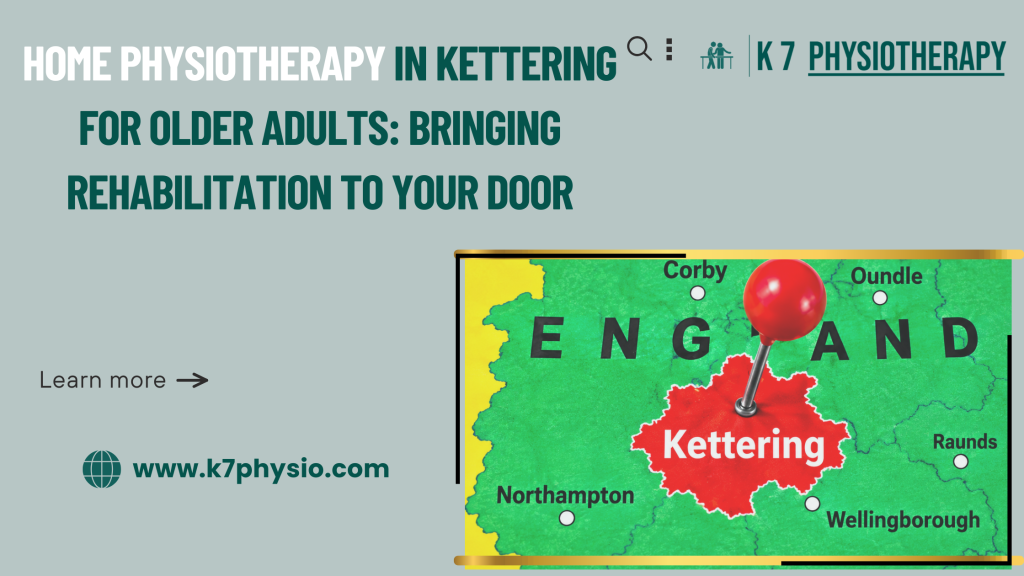
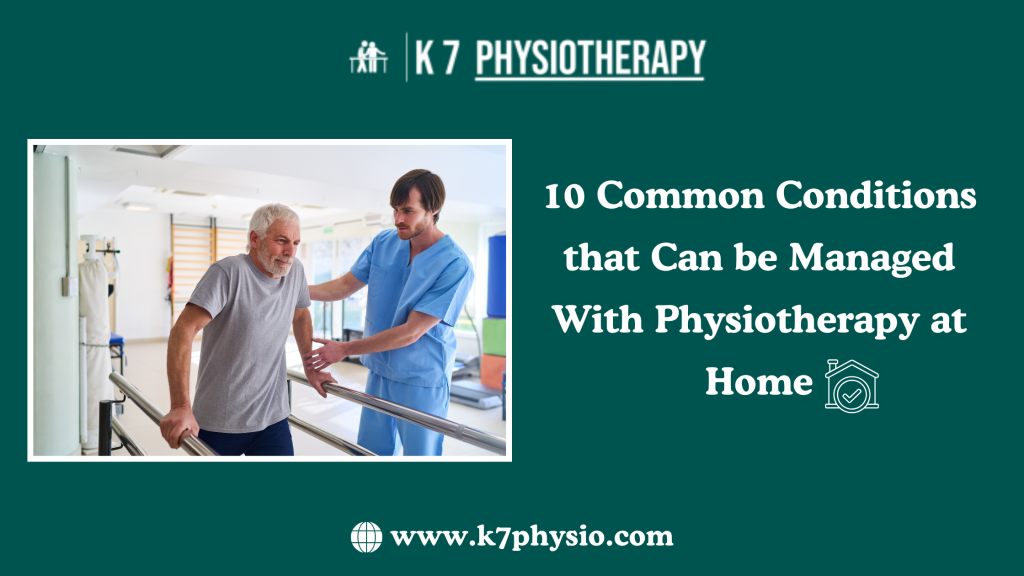
Sometimes the biggest challenge isn’t an exercise in a clinic. It’s the step at the front door, the staircase at home or getting out of a low chair. That’s one reason home physiotherapy can be useful.
Working in someone’s own surroundings allows rehabilitation to focus on the movements they need throughout the day.
At K 7 Physiotherapy, we offer home physiotherapy for people who may find travelling to appointments difficult or whose rehabilitation goals are better addressed at home.
It’s the Everyday Things That Matter
Being able to take a walk to the park, go chum or get out of a chair doesn’t sound like a primary fulfillment for all the people who struggle outdoors.
But when those things end up being difficult, it can feel very good to be able to turn them around once again.
At K 7 Physiotherapy, we take a personalised approach to rehabilitation. We want to know what has changed, what is difficult now and what you liked along the way.
Whether you are recovering after a hospital stay, living with a neurological condition or finding regular movement extra difficult, we are able to tell you how physiotherapy can help.
FAQ’s
1. I’m getting slower when I walk. Is that just part of aging?
Walking speed can change with age, but it can also be affected by strength, balance, pain and health conditions. A physiotherapy assessment can help explore possible contributing factors.
2. Can physiotherapy help if I’ve been in hospital for several weeks?
It may help with rebuilding strength, walking ability and confidence. The rehabilitation plan will depend on your medical condition and recovery needs.
3. Will I have to attend physiotherapy appointments every week?
Not necessarily. The frequency of appointments depends on your needs, goals and progress. Your physiotherapist can discuss a suitable plan with you.
4. Can my family be involved in my rehabilitation?
Yes, where appropriate and with your agreement. Family members or carers can sometimes help by understanding your goals and how to support everyday activities safely.