How to Improve Mobility Safely: A Simple Guide to Moving with Confidence
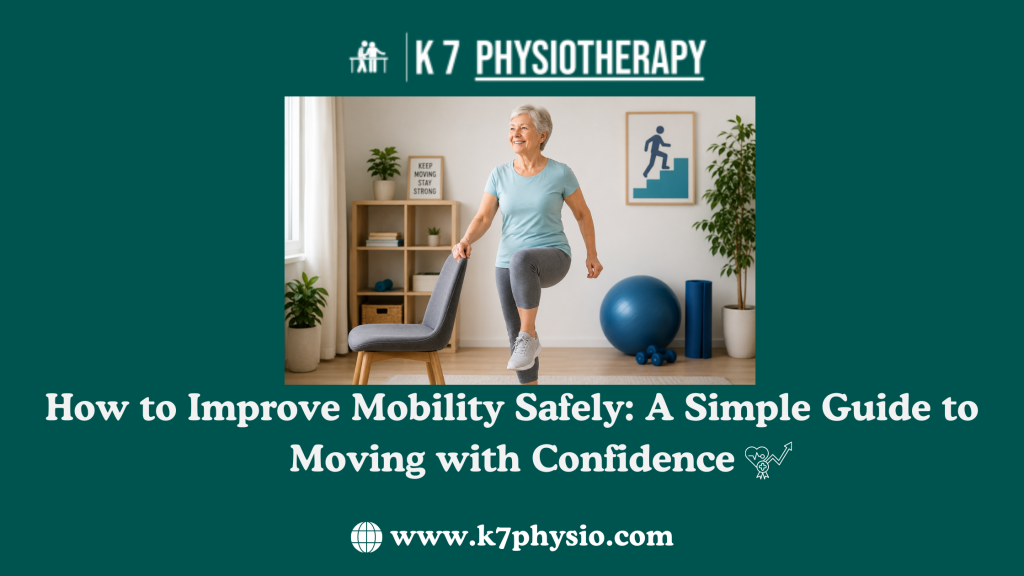
When Movement Starts to Feel Difficult
There are times when movement doesn’t feel as easy as it once did.
You will likely notice stiffness when getting out of bed, experience less consistency when hiking, or discover that everyday responsibilities by working harder. This can be due to a lot of motivations — after contamination, damage, or certainly timeouts.
If you’ve been wondering how to improve mobility safely, you’re not alone.
The reassuring news is that mobility can be improved with a lot of the right tricks — one that is gentle, slow, and acceptable for your frame.
Why Mobility Matters in Everyday Life
Mobility isn’t just about lounging — every day sports are about protecting independence and confidence.
Good mobility supports:
- Easy access in and out of chairs
- Moving around in his private home with ease
- Reduces the risk of trips or falls
- Staying alive and engaging in a day-to-day lifestyle
When mobility is restricted not only is it capable of affecting physical health, however additionally confidence.
Understanding Safe Movement
Trying to do too much too quickly can sometimes be a pain or setback. That’s why ready stability to increase mobility properly — no more pushing, but step-by-step progress.
Safe mobility focuses on:
- Gentle, controlled movement
- Building strength over time
- Improving balance step by step
- Listening to your body
This approach helps reduce strain while supporting steady improvement.
Simple Ways to Improve Mobility Safely at Home
You don’t need complicated exercises to start transferring higher. Small, everyday actions could make a meaningful difference.
Everyday movement ideas
- Standing up regularly instead of sitting for long periods
- Taking short, comfortable walks
- Practising gentle stretches
- Moving your joints through their natural range
These are often the first steps people take when looking for how to improve mobility safely at home.
The Role of Physiotherapy in Mobility Improvement
Sometimes, understanding which one to start on can feel uncertain — especially if the movement feels uncomfortable or unstable.
This is where physiotherapy can help.
At K 7 Physiotherapy, the focus is on:
- Understanding your current movement ability
- Supporting safe, guided activity
- Improving strength and flexibility
- Helping you feel more confident in daily movement
Physiotherapy provides structure and reassurance, so you’re not navigating this process alone.
Regaining Confidence in Movement
A common challenge with reduced mobility is not just physical — it’s confidence.
You may also often feel hesitant when hiking long distances or trying new moves. This is quite natural.
By gradually reintroducing the movement in a safe manner, many humans begin to feel more confident once again — grade by grade.
Supporting Balance and Stability
Mobility and balance go hand in hand.
If the balance is barely off, it can make movement uncertain. Improving stability through gentle play can make you feel extra stable inside and out.
This is especially important for reducing the risk of falls and maintaining independence.
When to Seek Support
You may benefit from physiotherapy if you:
- Feel less steady when walking
- Notice stiffness or reduced flexibility
- Avoid movement due to discomfort
- Are recovering after illness or hospital stay
- Want to stay active and independent
Early support can help you keep small concerns from becoming bigger challenges.
Final Thoughts
Improving mobility doesn’t require big changes — start with small, safe steps on a regular basis.
If you have been considering how to improve mobility appropriately, consider that development takes time, and the right mentor can make all the difference.
The aim at K 7 Physiotherapy is to help you flow effortlessly, confidently, and at your own pace — so you can keep doing your dependent tasks.
FAQ
What is the safest way to improve mobility?
A slow approach with gentle, managed movement is generally the safest type.
Can I improve mobility at home?
Yes, simple daily movements and consistency can help support mobility.
How does physiotherapy help mobility?
Physiotherapy supports electricity, flexibility, stability and confidence in movement.
Is it normal to feel less mobile with age?
Changes can happen, but safe movement and support can help maintain mobility.