Improving Mobility and Independence Through Neurological Physiotherapy After Stroke
A stroke could cause a huge impact on mobility as well as coordination, stability and the ability to complete daily tasks independently. Each person’s rehab journey differs for each person. The process of rehabilitation is a key factor in helping victims of trauma get up and feel confident.
Neurological physiotherapy is a specific type of rehabilitation that is designed to assist people suffering from issues with the spine, brain and related equipment following an injury or stroke, neurological physiotherapy may aid in restoring movement, physical capabilities, and increase normal lifestyle alterations.
At K 7 Physiotherapy, we offer customised neurological rehabilitation programs to aid individuals in maximising their potential for recovery and work toward greater independence in the home as well as in their community.
Understanding the Effects of Stroke
A stroke is a condition where the blood supply to a portion of the brain gets cut off and causes the brain to suffer damage. The affected area is determined by the location people may experience different physical, sensory, or cognitive problems.
Common physical effects of stroke include:
- Muscle weakness
- Reduced mobility
- Difficulty walking
- Poor balance
- Reduced coordination
- Increased muscle stiffness
- Fatigue
- Difficulty transferring from sitting to standing
- Increased risk of falls
These difficulties can make daily tasks like getting dressed and bathing, walking and climbing stairs harder. Rehabilitation that is ongoing and early can enhance mobility, function and independence in recovery.
What Is Neurological Physiotherapy?
Neurological physiotherapy focuses on improving the mental and physical performance of people affected by neurological diseases, which includes stroke.
The physiotherapy for neurology may concentrate on:
- Mobility and walking training
- Rehabilitation of balance
- Exercises to strengthen
- Training in functional movement
- Transfer training
- Coordination exercises
- Strategies to prevent fall
- Postural control
- Confidence building during movement
Every rehabilitation program is customised to the individual’s strengths, goals, and stages of recovery.
How Neurological Physiotherapy Supports Stroke Recovery
Improving Mobility
Stroke can impact walking strength, and even movement. Neurological physiotherapy employs targeted exercises that improve your walking capability as well as stability, leg strength endurance, as well as general mobility, assisting individuals to improve their independence.
Enhancing Balance and Stability
A balance issue related to a stroke can increase the likelihood of falling. Physiotherapy assists in improving balance, coordination, awareness, and stability, allowing patients to move more comfortably and in a safe manner.
Supporting Functional Independence
The primary goal of rehabilitation for stroke patients is to restore independence. The physiotherapy for neurological disorders helps people practice everyday activities, such as walking, standing up and down stairs, as well as getting safely across surfaces, making everyday tasks more manageable and less difficult.
The Role of Home Physiotherapy After Stroke
For some, going to a clinic may be difficult during recuperation.
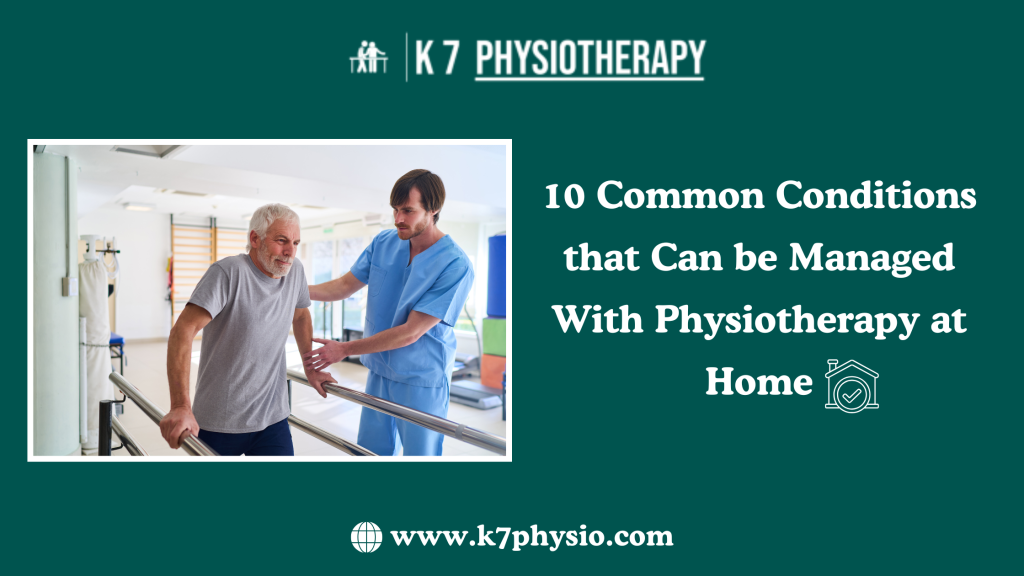
The physiotherapy at home allows rehabilitation to be carried out within the patient’s personal environment, which makes treatment more practical and pertinent to the daily routine.
The benefits of physiotherapy at home could include:
- Assessment of mobility at home
- Individualised rehabilitation in a familiar environment
- Greater confidence when doing household chores
- Assistance with transfers and negotiation of stairways
- Reduction of stress related to travel
K 7 Physiotherapy we offer physiotherapy at home throughout Rugby and the surrounding regions, assisting stroke victims get their rehabilitation done in your own home.
Long-Term Benefits of Neurological Physiotherapy
Recovery from a stroke may not always stop following discharge from the hospital or community health services.
Many people continue to receive ongoing physiotherapy assistance to help maintain and improve their physical performance.
The potential long-term benefits are:
- Better mobility
- Better balance
- Strengthening up
- Increased endurance
- Greater independence
- Lower risk of falling
- Increased confidence
- Higher quality of life
Regular physiotherapy sessions can help people in achieving their goals, while retaining the gains they’ve already made.
How K 7 Physiotherapy Can Help
In K 7 Physiotherapy we understand that each stroke recovery journey is unique.
We offer individualised neurophysiotherapy programs that are designed to assist people affected by stroke. Our goal is to help patients increase mobility, gain confidence and gain independence by implementing the use of evidence-based rehabilitation.
The services we offer include
Neurological Physiotherapy
Rehabilitation specialists for those recovering from strokes or other neurological disorders.
Home Physiotherapy
The physiotherapy service is convenient and can be delivered from your home, at Rugby and the surrounding regions.
Falls and Balance Rehabilitation
Programmes specifically designed to increase stability, decrease risk of falling and increase confidence.
Walking Aid Assessment
Professionally assessed and supervised to ensure the correct walking aid use when required.
We work closely with patients and families to create realistic rehabilitation goals that result in significant improvements in your daily life.
Conclusion
The practice of neurological physiotherapy plays an important role in helping stroke victims gain mobility, regain confidence and gain independence. With individualised rehabilitation and goal-oriented treatment, patients can see significant improvements in their recovery.
In K 7 Physiotherapy, you can get an uplifting neurological rehabilitation as well as home physiotherapy in Rugby and the surrounding regions, helping patients to improve their mobility and enhance their quality of life.
FAQs
1. When should physiotherapy be initiated after an accident?
Rehabilitation generally commences as soon as is deemed medically appropriate. But, there are some who remain in a physiotherapy program for months, or even years after suffering a stroke.
2. Do physiotherapy treatments to improve the function of your brain help you walk after a stroke?
Physiotherapy as a treatment for neurology can improve walking ability with balance, strength, and balance. general mobility by using specific rehabilitation plans.
3. Can home physiotherapy be used for those who have suffered a stroke?
Yes. Home physiotherapy can be beneficial for those who struggle to travel or want to do rehabilitation in their home environment.
4. Do strokes recover in the long run?
The recovery process for each person is different However, most people are getting better with continuing rehabilitation and physical activity.