Physiotherapy Trends 2026: Things You Will Probably Want to Know as a Patient

Patient recovery will safely continue to evolve into greater long-term mobility and confidence with each visit to a physiotherapist in 2026; the emphasis has shifted from providing all patients with advanced technology to people, their movement and their individual rehabilitation programs. K 7 Physio will keep on providing clinically proven, human-based treatment options to help patients live more independently, easily and confidently.
Here are the main themes in physiotherapy, which will shape physiotherapy in 2026.
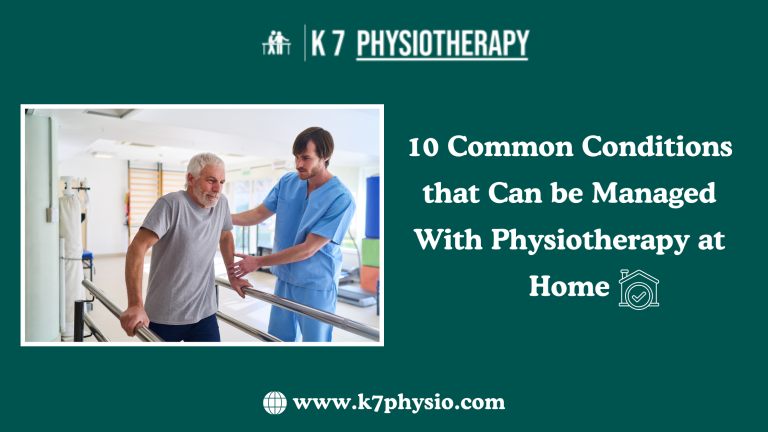
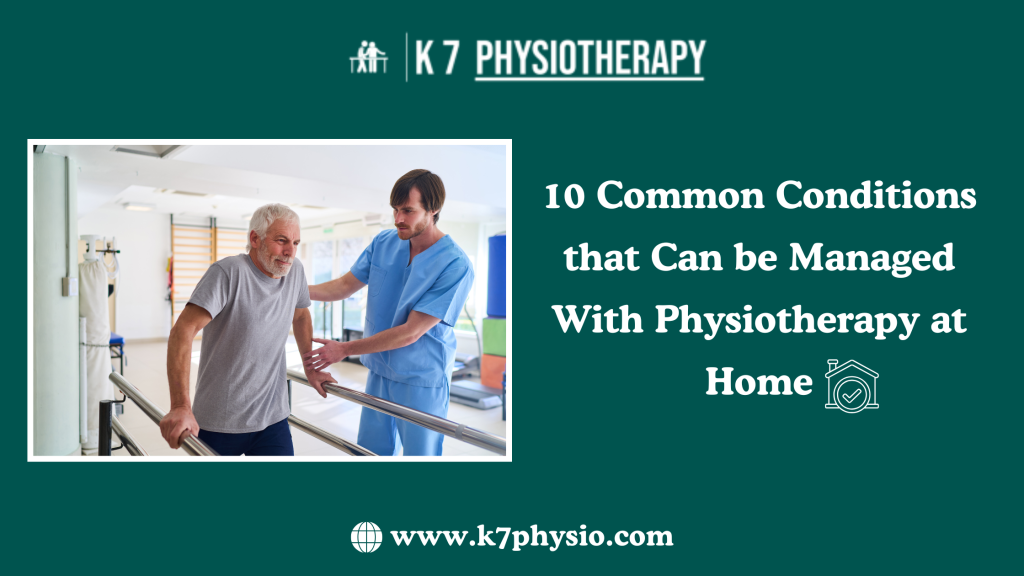
1. Home-Based Physiotherapy is Increasingly in Demand
More patients are choosing home physiotherapy for these reasons:
- Mobility Problems
- Weakness Following Hospitalisation
- Lack of Confidence
- Convenient Transportation
- The Opportunity to Do Real-Life Tasks Within Their Normal Environment
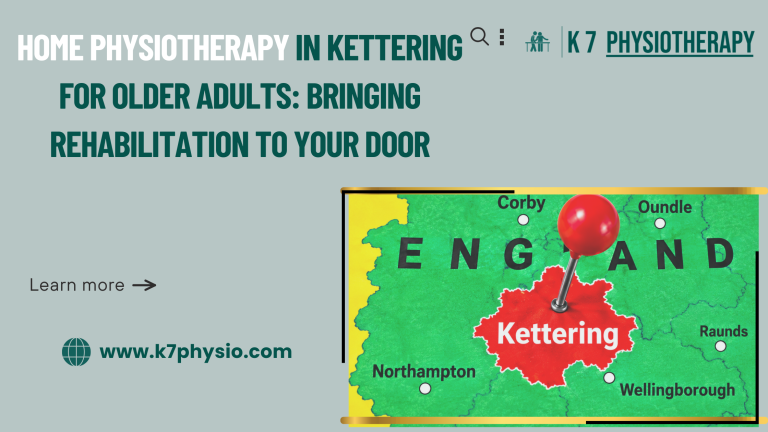
Home physiotherapy is one of our core services at K 7 Physiotherapy, covering Rugby, Coventry, Leamington, Northampton, Lutterworth, Hinckley and surrounding areas.
It allows patients to build strength and independence in the setting where they feel most comfortable.
2. Growth in Neurological Rehabilitation Services
2026 brings even greater emphasis on rehabilitation for neurological conditions such as:
Parkinson’s disease
- Stroke
- Multiple sclerosis
- Spinal cord injuries
- The focus is moving towards:
- Earlier intervention
- Task-specific practice
- Improving walking patterns
- Balance retraining
- Helping patients stay active and engaged for longer
K 7 Physiotherapy specialises in neurological physiotherapy, tailoring treatment to each person’s goals and abilities.
3. Strength Training for All Ages
One of the strongest UK-wide trends is the shift towards strength training as a foundation of physiotherapy.
Research continues to show that building strength supports:
- Balance
- Joint health
- Confidence
- Everyday function
- Long-term independence
Older adults are encouraged to engage in strength-training exercises just like young people do under the new guidelines recommended by NHS Health Improvement Scheme for England 2026.
At K 7 Physiotherapy, we incorporate a variety of strength-building movements into our rehabilitation programs to accommodate our patients’ individual needs.
4. An Increase in Fall Prevention
Falls continue to be a major health concern for the elderly in the UK.
In 2026, physiotherapists are placing a greater emphasis on improving the following areas:
- Balance training
- Re-educating the gait (the way someone walks)
- Identifying hazards present in their home
- Strengthening important muscle groups
- Reviewing and adjusting walking devices
Falls and balance rehabilitation are among the many services that we provide to assist patients in building confidence and decreasing their risk of falling when they are walking.
5. Hydrotherapy as a Popular Evidence-Based Treatment Option
Hydrotherapy for rehabilitation and maintenance is still a popular treatment option and is most beneficial to:
- Patients with Arthritis;
- Patients With Chronic Pain;
- Patients with Reduced Mobility;
- Patients Following Surgery Who Have Weakness;
- Patients with Neurological Disorders.
Hydrotherapy facilitates gentle movement, decreases joint loading, and assists individuals in performing early rehabilitation exercises more easily.
6. The Motivation and Wellbeing Elements Of Exercise.
In 2026, physiotherapists will focus more on how regular movement impacts one’s overall sense of well-being, energy levels, motivation, and confidence from day to day.
- Working with physiotherapists enables patients to maintain their ability to remain physically active.
- Build movement routines that encourage consistency
- Use exercise to support confidence and independence
- Understand how physical activity contributes to feeling better overall
At K 7 Physiotherapy, we offer patient-friendly guidance to help people recognise the wider benefits of staying active — particularly for those managing long-term conditions such as Parkinson’s disease, where movement is an essential part of maintaining mobility and function.
7. Long-Term, Personalised Care Plans
Another key trend in 2026 is recognising that rehabilitation is not always a quick process.
- Patients increasingly prefer:
- Ongoing support
- Regular review sessions
- Maintenance programmes
- Help staying active long-term
- Prevention-focused physiotherapy
We provide clear, personalised rehabilitation plans that follow patients from early recovery through to long-term wellbeing.
What This Means for Patients at K 7 Physiotherapy
Our team aligns with the most meaningful physiotherapy trends of 2026 by offering:
- Home physiotherapy
- Neurological rehabilitation
- Hydrotherapy
- Falls and balance rehabilitation
- Walking aid assessment
- Arthritis and musculoskeletal physiotherapy
- Post-hospital physiotherapy
A person-centred approach is used to deliver these services (i.e., safe, with confidence and independence in the future).
Are you ready to improve your mobility, strength, or confidence?
Our Physiotherapist can help if you (or a family member) would like to receive personalised physiotherapy in Rugby or the surrounding Midlands.
Book a physiotherapy assessment today so you can feel stronger, more confident and have greater independence.